Between the post-COVID-19 recovery and the energy crisis, how did Brussels’ international trade fare in 2022? In a nutshell: the United States has risen to third place among Brussels’ main trading partners, and services still account for more than half of Brussels’ exports, although exports of goods have increased significantly compared with 2021.
The rise of the United States
Europe remains the Region’s main trading partner (77.2%, compared with 86.4% in 2021), but America is consolidating its second place. The main export destinations are Germany, the Netherlands, the United States and France. The decline in Europe’s share of goods exports is even more evident if we look at the Brussels-Capital Region’s main customer, the European Union.
In the first half of 2022, 64% of goods were destined for the EU, compared with 79% in the first half of 2021. This represents a fall from EUR 3.2 billion to EUR 2.8 billion, or 14.3%, partly offset by the sharp rise in trade with America (+135%). This is mainly due to the increase in exports of goods to the United States (+121%). Asia remains in third place in terms of goods exports, with a share of 5.3% (compared with 4.4% in the first half of 2021).
Although neighbouring countries remain the most significant, with the exception of the United States, there have been changes in the ranking of countries importing goods from Brussels compared with 2021. Germany has stayed in the same position, but it has been significantly weakened, with a decline of 42.3%. The Netherlands has climbed to second place (4th in 2021) with a 21.8% increase, at the expense of France and Luxembourg (now in 4th and 5th place, behind the United States).
Transport equipment: a major international success
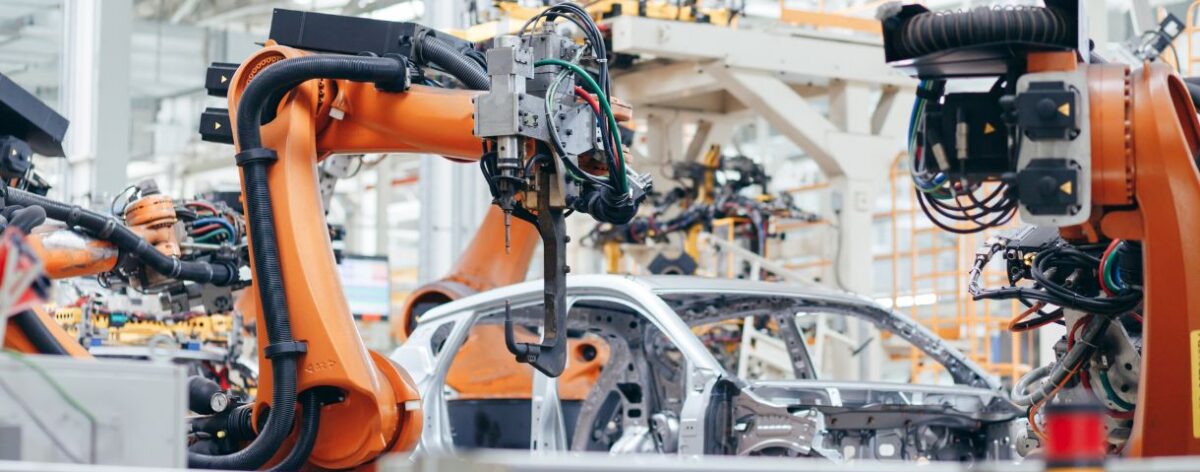
The main categories of goods exports are transport equipment, accounting for 42.3% (worth EUR 1.8 billion), followed by products of the chemical industry, (electrical) machinery, plastics and their derivatives, and prepared foodstuffs. Exports of transport equipment – mainly cars, tractors, bicycles and other land vehicles – rose by 10% between the first half of 2021 and the first half of 2022. Exports of these products to Germany fell by 57%, but this decline was offset by the sharp increase in exports to the United States (up EUR 359 million, or +49,480%), Norway (up by EUR 103 million, or +242,867%) and the United Kingdom (up by EUR 147 million, or +1,797%).
Machinery and electronic equipment (EUR 1.9 billion, or 24%), transport equipment (EUR 1.9 billion, or 23.7%) and products of the chemical industry (EUR 1.2 billion, or 15.3%) remain the main categories of goods imported by Brussels.
Services accounting for over half of Brussels’ exports
A distinctive feature of the Brussels-Capital Region is that more than half of the Region’s total exports consist of services (57.3%, or EUR 28.5 billion in 2020). This figure is more than double the Belgian average, where services account for 26.8% of exports. The largest sectors in Brussels’ service exports are scientific and technical activities (28%), financial and insurance activities (28%) and the information and communication sector (12%). Belgian exports of services rose by 13.5% between the first half of 2021 and the first half of 2022 (from EUR 54.6 billion to EUR 61.9 billion). The main export destinations are primarily neighbouring countries, such as the Netherlands (14.7%), France (11.4%) and Germany (8.2%). However, the United States is also among the leading countries, ranking third with a share of 8.6%. Outside Europe and the United States, Belgium’s main customers are China (EUR 879.4 million), Singapore (EUR 715.7 million) and Japan (EUR 703 million).