Nationwide decline in exports
In 2024, the Brussels Region exported €8.9 billion worth of goods – a 25% drop compared with the previous year.
For Belgium as a whole, the fall in exports (-4.9%) is less pronounced than in Brussels. This can be attributed to a combination of factors, such as the tense geopolitical climate, falling energy prices, a decline in vaccine sales, a contraction in the diamond trade and a fall in vehicle exports. Nevertheless, with Belgian imports down by 8.8%, the trade balance is once again positive at national level.
Transport equipment and chemical products down in Brussels
Whilst goods exports are down in every region of the country, this decline is more pronounced in Brussels, where two categories of goods in particular have affected the result:
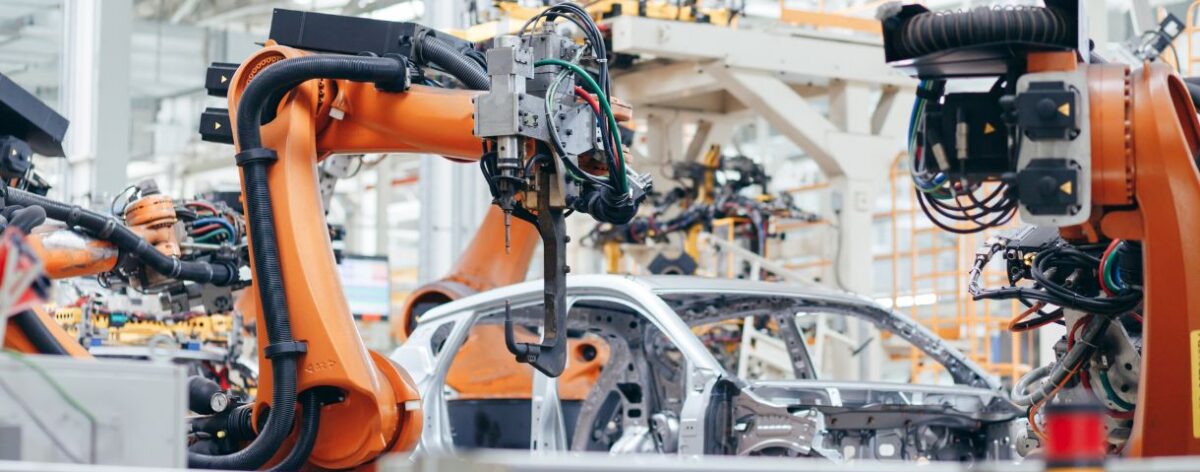
- Transport equipment, following the phased shutdown of production at Audi Brussels in 2024.
- Chemical and related products, and in particular organic chemicals.
Nearby markets remain strong
As in previous years, the majority of Brussels-based businesses find their markets in neighbouring countries, with 88% of Brussels’ exports destined for Europe. A significant increase compared with 2023, likely linked to the uncertain geopolitical climate.
Within the continent, there have been declines in exports to Germany (-41%) and France (-13.7%), although both countries still rank among the top three alongside the Netherlands. On the other hand, there have also been spectacular increases in exports to certain countries such as the Czech Republic (+171.3%), Poland (+53.5%) and the United Kingdom (+22.9%), which has moved up to fifth place (just ahead of the United States) and is attracting an increasing number of exporters from Brussels.
The United States, the leading destination outside Europe, has slipped from 4th to 6th place, with exports totalling €417 million. They are followed by Japan (€100 million) and Brazil (€67 million).
A changing export landscape
The growing diversity of export categories is creating new opportunities for Brussels-based businesses. Since the closure of Audi Brussels, the transport equipment sector has seen a sharp decline (-58.4%) and has ceded the top spot to chemical and related products, themselves in decline but to a lesser extent (-11.6%).
By contrast, several sectors are seeing strong growth: machinery and mechanical appliances; electrical equipment (+13.8%), plastics and rubber (+27.1%), textiles (+37.8%) and prepared foodstuffs (+8.2%). Three main categories account for nearly 70% of Brussels’ total imports: machinery and mechanical appliances; electrical equipment(…) (23.8%), chemical products (23.5%) and transport equipment (20.2%).