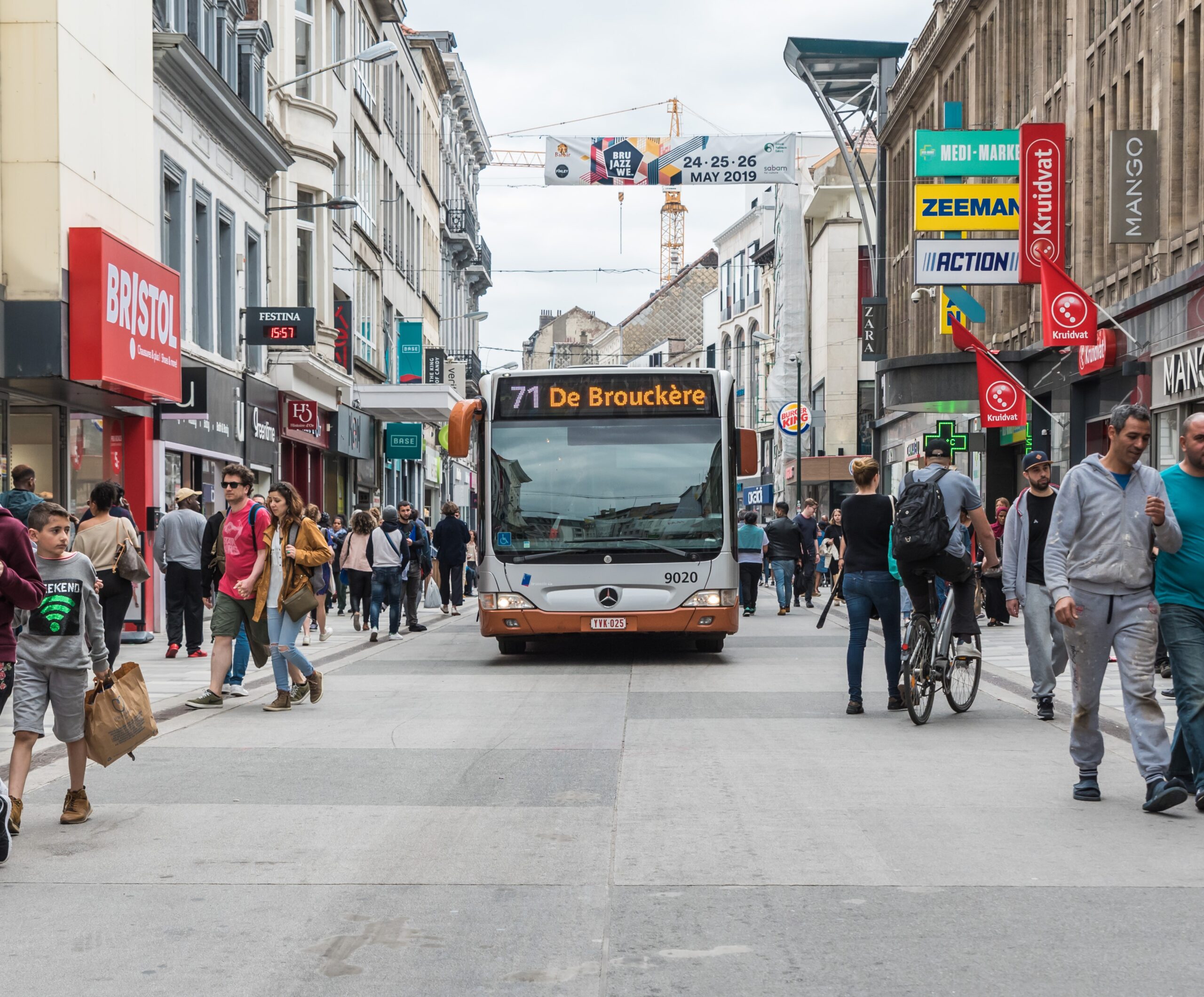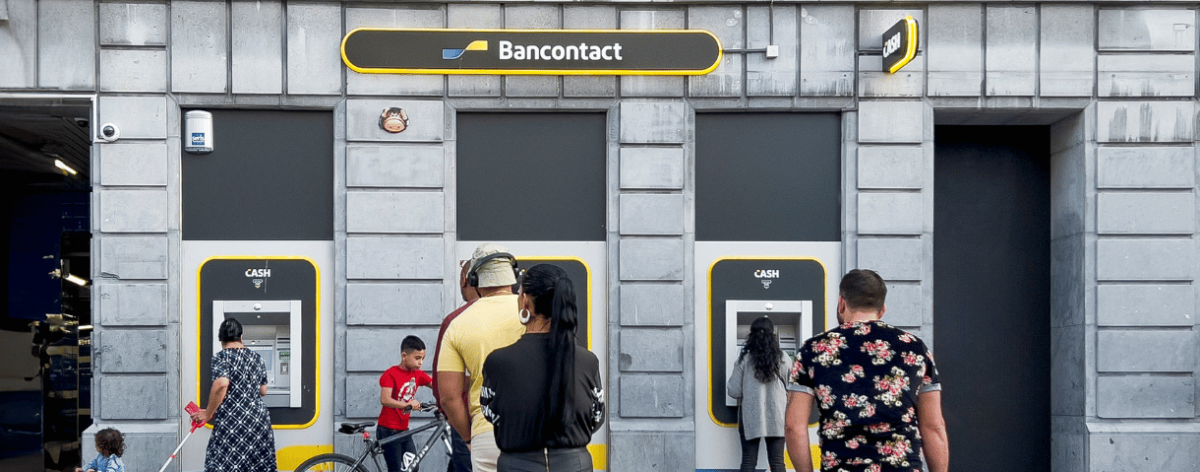
In 2020, there were approximately 22,000 retail businesses in Brussels. The sector employed 61,000 full-time equivalents, representing approximately 9% of regional employment. But who lies behind these figures? Who are the people that work behind the counter? What does their career look like? To answer these questions, hub.brussels carried out a survey of 1,300 business owners and retailers whose premises are located in the Brussels-Capital Region. The findings of this survey are analysed in this study, published in 2021 and carried out in collaboration with the Université Libre de Bruxelles.
Divided into several thematic areas, the survey aimed to establish a socio-demographic profile of independent, non-franchised retailers based in Brussels. These topics included education, professional experience, nationality and language use. This approach led to a number of findings.
Most are young but experienced entrepreneurs
In Belgium as a whole, half of all retailers are under 35. However, Brussels differs from the rest of the country in that two-thirds of business owners fall below this threshold. This youth was also evident from other data collected, such as the career paths of those surveyed.
For example, an analysis of the age at which people entered the sector (whether as managers or employees) showed that approximately 50% of respondents began their careers in retail before the age of 25. Looking at estimates of the number of years’ experience, the survey showed that almost three-quarters of retailers had more than five years’ experience in the sector.
A need for training in the retail trade
An analysis of the career paths of entrepreneurs and business owners also showed that over 75% of those surveyed had completed secondary education and that, of these, 25% had gone on to higher education. The higher the level of education respondents had attained, the more useful this education was deemed to be in carrying out their profession.
Furthermore, the survey showed that vocational training and, above all, complementary training were perceived by respondents as being more useful for their profession than academic studies. It is therefore crucial to raise awareness amongst those interested in a career as an entrepreneur or retailer about making the right choices in terms of their training, to ensure the success of their business.
Many nationalities represented, but very often only one language spoken
The survey also covered the languages used by retailers when speaking to their customers. In the sample, nearly 60% of those surveyed use only one language with their customers, whilst 25% use two. French was proven to be indispensable, as almost all of the business owners and retailers surveyed use it. Next came English, spoken by a third of those surveyed, and, to a lesser extent, Dutch and Arabic.
Whilst the four languages mentioned are those mainly used by business owners and retailers, the sample identified over 30 languages used in conversations with customers. These languages are a direct indication of the retailer’s background and nationality.
In the Brussels sample surveyed, over 40% of respondents were foreign nationals and represented 51 different nationalities. However, as with language use, whilst a certain degree of diversity was evident, a few nationalities were dominant: Moroccan (one in five non-Belgian entrepreneurs and retailers), French and Turkish (one in ten non-Belgians).
Real diversity in profiles
Whilst the study highlighted these few general findings, analyses carried out at a more detailed level showed that Brussels’ entrepreneurial retail landscape is very diverse and does not appear to be dependent on any particular retail category or specific geographical pattern. It would therefore appear to be essential to ensure that support services are accessible to everyone, regardless of their background, level of education or age.