The first instalment in the “Why & How” series, this 2016 publication examines the pop-up shop model. Rapidly expanding and set to become a lasting feature of the retail landscape, these are seen as a springboard to entrepreneurship, fostering innovation and the emergence of new business ventures.
A flexible tool for testing, innovating and entrepreneurship
The success of pop-up shops lies in their flexibility. Unlike traditional retail, they enable owners to open a temporary outlet for a few days or a few months, with relatively low financial risk, particularly because of the temporary fittings, which help to keep investment costs down, and, above all, because the time commitment involved is fairly limited.
A pop-up shop therefore offers entrepreneurs room to make mistakes, which is particularly valuable in an uncertain economic climate, and serves as a commercial testing ground that is particularly suited to experimentation. As well as limiting financial risks, it enables entrepreneurs to try their hand at being a shop owner, test out a product or a concept, and also assess a market or a location before setting up on a longer-term basis.
A driver for urban regeneration and local development
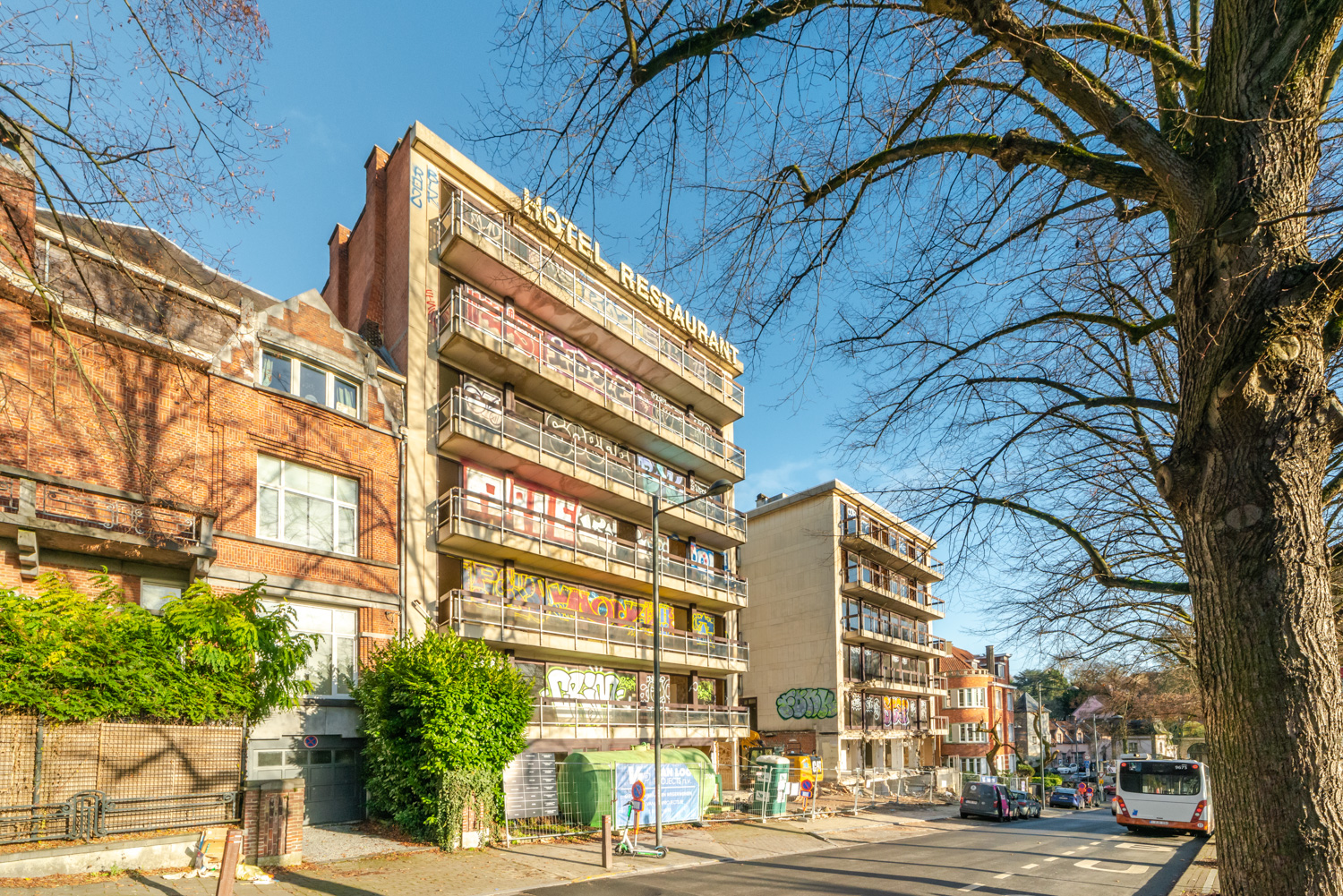
Beyond its commercial value, a pop-up shop breathes new life into vacant premises and can be used as a tool for revitalising certain neighbourhoods that are losing their appeal. By temporarily occupying empty retail units, the businesses that set up in these spaces reduce the negative impact of retail vacancies, help to improve the image of the neighbourhoods in question and boost footfall from members of the public attracted by the novelty of the different concepts that occupy the space, one after another.
For local authorities, pop-up shops therefore offer a way of supporting local entrepreneurship, attracting new visitors and boosting the commercial appeal of certain shopping areas.
A roadmap to take you from concept to opening
The guide is packed with advice to help entrepreneurs successfully set up their pop-up shop. How do you set your objectives, identify your target audience or even determine your budget? With an approach tailored to all types of retailers, the guide helps to establish these factors before advising entrepreneurs on how to find a neighbourhood and premises in which to set up their business. The guide then focuses in detail on the administrative matters that need to be managed (tenancy agreement, business registration, municipal permits, insurance, etc.) and offers advice on communication strategies to establish the brand’s identity, attract new customers and build customer loyalty.